Three paid days, for two kinds of event
Family responsibility leave is three days of paid leave in each annual leave cycle, under section 27 of the BCEA. It applies to employees who have worked for you for longer than four months and who work at least four days a week. It may be taken when the employee’s child is sick, or when a close family member dies.
That is the whole of it, and it is narrower than most people assume. It is not general compassionate leave, it is not carer’s leave for a sick parent or spouse, and since 2020 it is not paternity leave. The phone call you are probably holding right now falls into one of three answers: it qualifies, it qualifies only if your own policy says so, or it is annual or unpaid leave.
BCEA s27 - the test, in order
employed > 4 months + works 4+ days a week + a qualifying event → up to 3 paid days per annual leave cycle
The part that gets tested later
The three days are the easy part. The dispute starts when one manager pays for an in-law’s funeral and another refuses it. Think of the last family responsibility request. Could you show what proof was asked for, and who approved it?
One form per request, with the proof attached
Editable Word and PDF form with every BCEA leave type, family responsibility included, plus the reason and proof fields section 27 lets you ask for. One form per request keeps the balance and the paper trail in step.
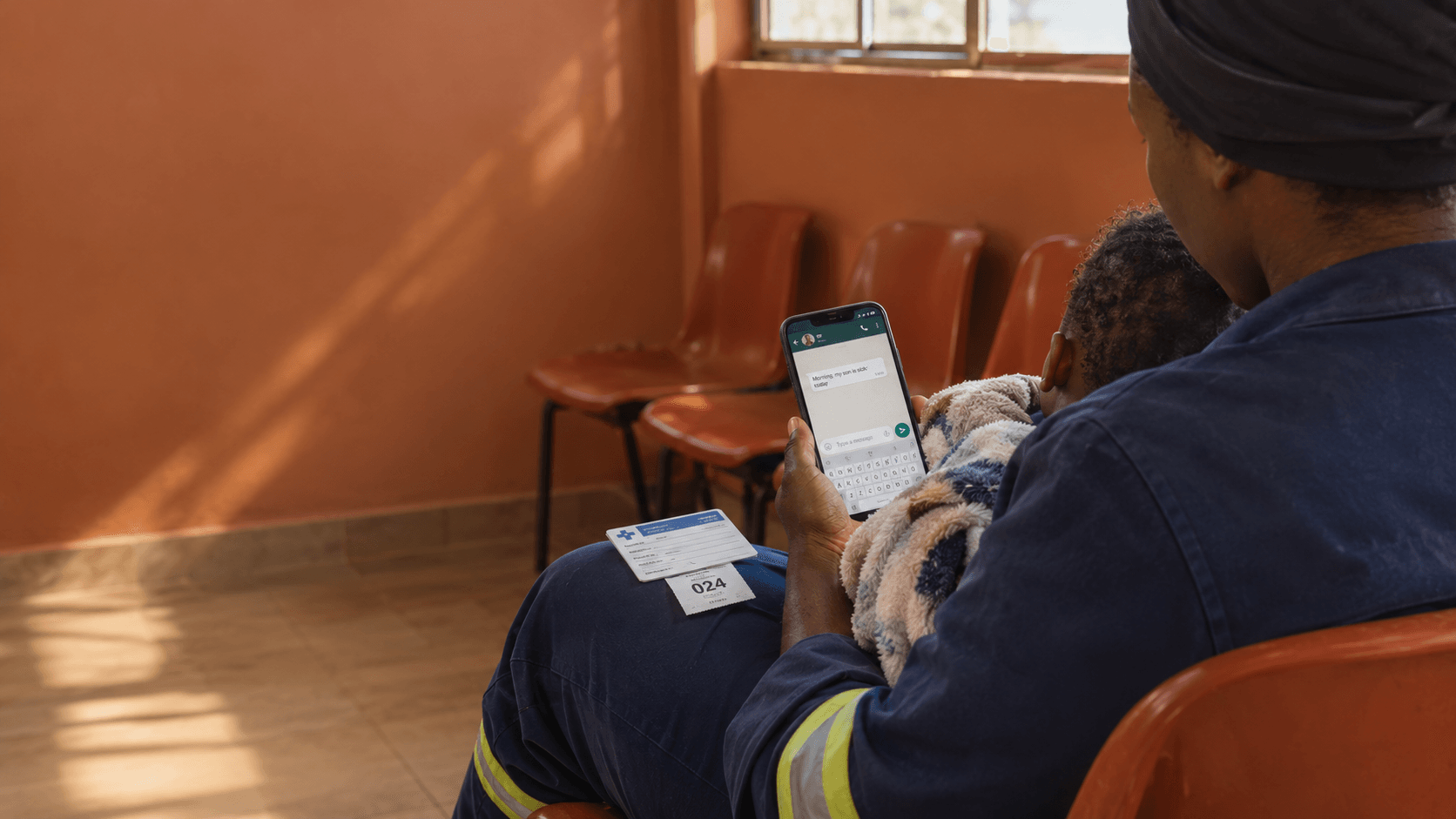
A sick child qualifies. A sick parent or spouse does not.
What qualifies as family responsibility leave
Section 27(2) lists the events. There are two kinds.
When the employee’s child is sick
The employee’s own child, including an adopted child. The Act sets no age limit. It covers looking after the child, not the employee’s own illness, which is sick leave under section 22 with its own 36-month cycle.
On the death of a close family member
- A spouse or life partner
- A parent or adoptive parent
- A grandparent
- A child or adopted child
- A grandchild
- A sibling
What is not on the list
In-laws, aunts and uncles, cousins, nieces and nephews. A sick spouse, a sick parent, a hospitalised sibling. The birth of a child, which section 27(2)(a) covered until the Labour Laws Amendment Act of 2018 repealed it and parental leave took its place. Any of these can be granted under your own policy, as annual leave, or as unpaid leave, but none of them is a statutory entitlement. If you grant one, put it in the leave policy, or the first manager who refuses it will be measured against the one who did not.
The family responsibility leave cycle
The three days attach to the annual leave cycle: each 12 months of employment, counted from the employee’s start date, not the calendar year. Days not used by the end of the cycle lapse (section 27(6)). They do not carry over, and they are never paid out when the employee leaves.
Many businesses run leave on a calendar year for convenience. That is fine for administration, provided no employee ends up with fewer days in any 12-month cycle than the Act gives. The safest way to see it is per person, from the start date.
Worked example: a call on 10 July
| Start date | five-day week | 1 March 2026 |
| Four-month test | longer than 4 months on 10 July? | Yes |
| Event | employee’s child is sick | Qualifies |
| Cycle | 1 March 2026 to 28 February 2027 | 3 days |
| Taken | one full day plus a half day, s27(4) | 1.5 days |
| Left this cycle | lapses on 28 February 2027 if unused | 1.5 days |
Had the same call come on 25 June, the employee would have been inside the first four months and had no statutory entitlement. That is when the decision becomes a policy question, not a legal one.
Can an employer ask for proof, and what do you pay?
Yes, you may ask for reasonable proof before paying (section 27(5)). For a death, a death certificate, a death notice or the funeral programme. For a sick child, a note from the doctor or clinic. What is reasonable depends on what the employee can actually get: a rural funeral may produce a programme and nothing else.
Pay is the wage the employee would ordinarily have earned that day, on the ordinary payday (section 27(3)). It is not unpaid leave with a fancy name, and it does not come out of the annual leave balance. Part days are allowed (section 27(4)), so a parent who collects a sick child at noon uses half a day, not a whole one.
Record it on a leave application form with the reason and the proof attached, and update the balance the same day. The dispute that reaches a commissioner is rarely about whether three days were owed. It is about whether this employee was treated like the last one.
Domestic workers get five days, not three
Domestic workers are covered by Sectoral Determination 7, and its clause 21 is more generous than the BCEA. A domestic worker employed for longer than four months, working at least four days a week, gets five days of family responsibility leave in each 12-month cycle, and the determination still lists the birth of the worker’s child as a qualifying event.
A household employer who applies the three-day BCEA rule is short by two days. Put the correct figure in the domestic worker contract, and confirm the current text of the determination when you do.
When the funeral is further away than three days
A funeral in another province can take a week. The Act gives three days and stops there, so the rest is annual leave or unpaid leave, by agreement. Three practical rules keep this from becoming a grievance:
- Offer annual leave first. Most employees prefer paid days, and annual leave may be taken at a time agreed between you (section 20(10)).
- Approve unpaid leave in writing, with the dates, before it starts. Unapproved days that run on become an absence question, and an absence question handled badly becomes an abscondment dispute.
- Apply the same rule to everyone. Discretion exercised differently for two employees is the most common way a kind decision turns into an unfair labour practice claim.
Can an employer refuse family responsibility leave?
Not when the conditions are met. Section 27 says the employer must grant the leave at the employee’s request, so a qualifying employee with a qualifying event and reasonable proof is entitled to it, busy week or not. What you can refuse is leave that does not qualify: a fourth day in the cycle, an in-law’s funeral with no policy behind it, or a request from someone who works three days a week.
A collective agreement can change the number of days and the qualifying events (section 27(7)), so check any bargaining council agreement that binds you before you decide.
Five mistakes employers make with family responsibility leave
Granting it for a birth
Repealed in 2018. A birth is parental leave, which the parental leave guide covers.
Taking it from annual leave
They are separate entitlements with separate balances.
Counting by calendar year
The cycle runs from the start date. A calendar-year count can quietly short-change someone who started in November.
Paying it out on exit
It has no cash value. Only accrued annual leave is paid out, which the leave payout calculator works out.
Using the BCEA figure for a domestic worker
Sectoral Determination 7 gives five days.
The rule is simple. The record is not.
Three days per cycle sounds easy until the cycle runs from forty different start dates, the proof sits in a WhatsApp chat, and two managers have made two different calls about an in-law’s funeral. Synthro holds each leave type as its own balance on its own cycle, attaches the proof to the request, and applies your policy the same way for everyone.
Frequently Asked Questions
How many days family responsibility leave in South Africa?
Three days of paid leave in each annual leave cycle, under section 27 of the BCEA. The cycle is the same 12-month period as annual leave, counted from the employee’s start date. Domestic workers are the exception: Sectoral Determination 7 gives them five days.
Who qualifies for family responsibility leave?
An employee who has worked for the employer for longer than four months and works at least four days a week for that employer. Someone on a three-day week, or in their first four months, has no statutory entitlement, although a policy or contract may give one.
Does family responsibility leave cover grandparents?
Yes, for a death. Section 27 covers the death of a grandparent, and also of a grandchild. It does not cover a grandparent who is ill: the only illness that qualifies is the illness of the employee’s own child.
Does family responsibility leave cover the death of a parent-in-law?
Not under the Act. The list is the spouse or life partner, a parent, adoptive parent, grandparent, child, adopted child, grandchild or sibling. In-laws, aunts, uncles and cousins are not on it. Many employers grant compassionate leave for in-laws by policy, and if you do, write it down so every manager applies it the same way.
Can family responsibility leave be used for the birth of a child?
No longer. The birth of a child was removed from section 27 by the Labour Laws Amendment Act of 2018, when parental leave was introduced. A parent now takes parental leave for a birth. The exception is domestic workers, whose sectoral determination still lists the birth of a child.
Is family responsibility leave paid?
Yes. Section 27(3) requires the employer to pay the wage the employee would ordinarily have earned on the day, on the normal payday. Part days are allowed, and the employer may ask for reasonable proof of the event before paying.
Can an employer ask for proof for family responsibility leave?
Yes. Section 27(5) allows the employer to require reasonable proof before paying. For a death, a death certificate, death notice or funeral programme is usual. For a sick child, a note from the doctor or clinic. Ask for the same proof from everyone.
Does unused family responsibility leave carry over or get paid out?
Neither. Unused days lapse at the end of the annual leave cycle in which they accrued (section 27(6)), and family responsibility leave has no cash value when employment ends. Only accrued annual leave is paid out on termination.